Our Work
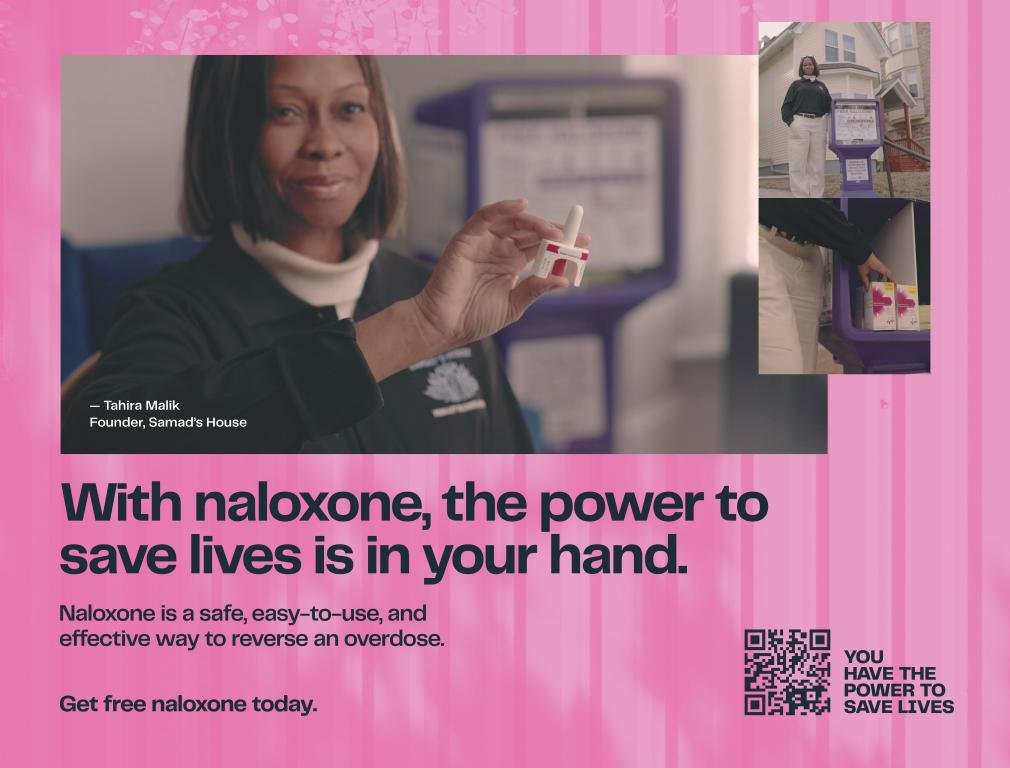
Resource sharing is a cornerstone of the Network's efforts to build collective power. Member organizations collaborate to pool and distribute vital supplies, such as naloxone and fentanyl test strips, to improve access and ensure that every community has what it needs to save lives.
Beyond supplies, the Network also facilitates shared training opportunities, technical assistance, and operational tools to strengthen the capacity of emerging Black- and Brown-led organizations. By working together, the Network ensures that life-saving resources are distributed equitably, fostering solidarity and mutual aid over competition.
How We Work
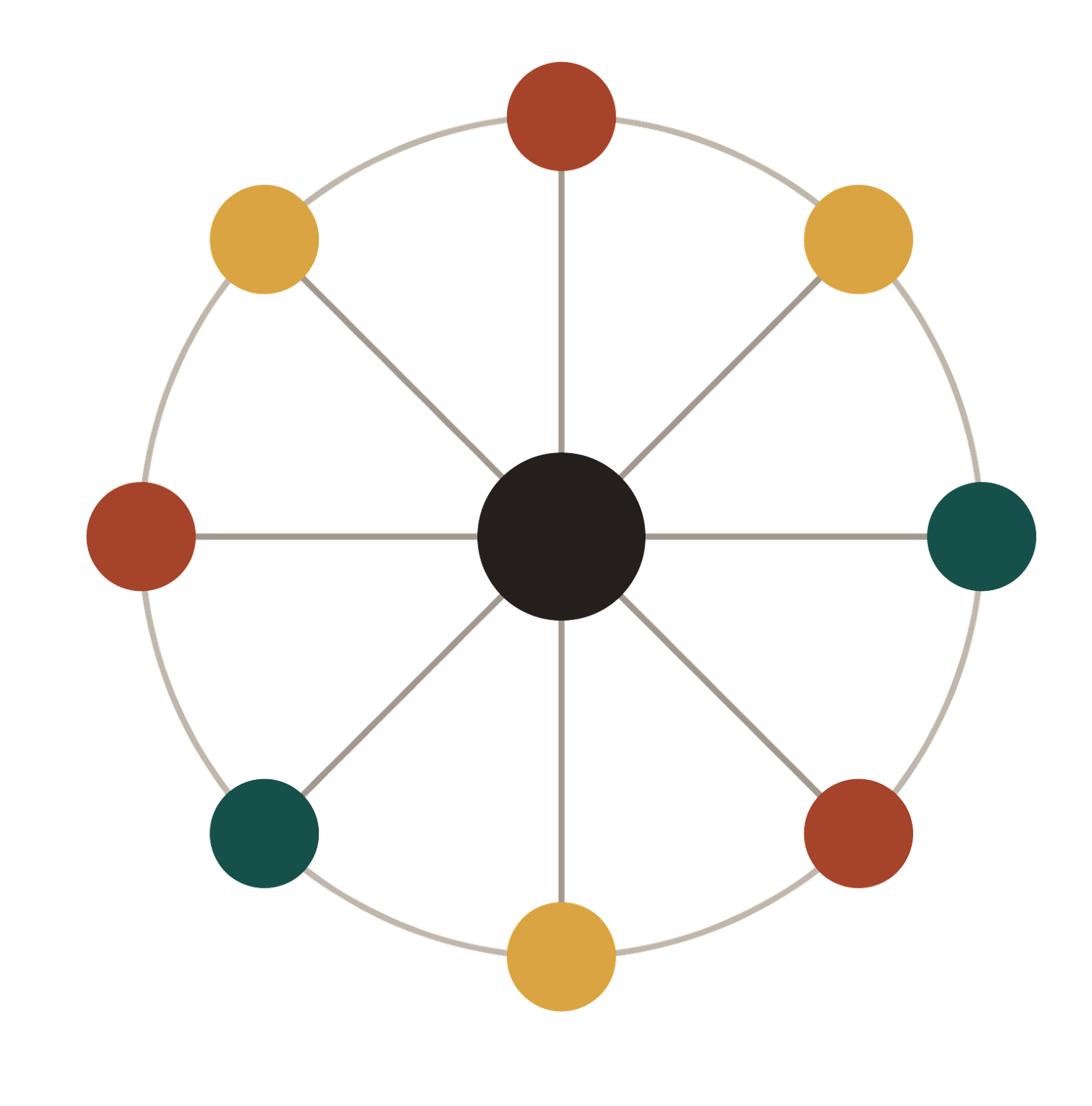
The Network emphasizes compassion and support, recognizing that care and harm reduction must replace punishment to truly save lives. By fostering collaboration and shared leadership, we create solutions that are deeply rooted in the lived experiences and cultural wisdom of the communities we serve. Our shared work rests on four pillars that turn values into action across the region.
Resource Sharing and Capacity Building
We pool and redistribute life-saving supplies like naloxone and fentanyl test strips, and offer training, tools, and peer mentorship to strengthen emerging Black- and Brown-led organizations.
Narrative Change and Storytelling
We shift the story away from criminalization, centering lived experience and community wisdom in campaigns across multiple states.
Data Sovereignty
We insist on community-owned data. We track our impact ethically and reject research that exploits community pain without giving back.
Care for the Caregivers
Frontline work is exhausting and often traumatic. We create healing spaces, trauma-informed support, and accountability rooted in community rather than blame.
We Focus on Harm Reduction
Why Harm Reduction Matters
For decades, the dominant American response to drug use has followed a simple script: drugs are dangerous, so the goal is to eliminate them, and people who use them should stop — immediately, completely, and preferably through willpower, punishment, or both. It's an intuitive framework. It's also one that has coincided with a staggering rise in overdose deaths, from roughly 17,000 in 1999 to well over 100,000 annually in recent years in the United States alone.
Harm reduction offers a fundamentally different starting point. Instead of asking "how do we stop all drug use," it asks "how do we keep this person alive and reduce the damage drug use causes — to them and to the people around them — right now, while they are still using." That reframing, subtle as it sounds, has become one of the most consequential and contested ideas in contemporary public health.